
Why the Hours After School Matter More Than You Think
Afternoons hold untapped potential for young athletes. Energy levels remain high, focus still lingers from structured classroom routines, and social interaction feels natural rather than forced. That window between the final bell and dinner often shapes habits, discipline, and confidence. Structured after-school tennis classes give students an outlet that blends physical development with mental sharpness. Instead of scrolling through screens or drifting into boredom, you step onto the court with purpose. Timing matters, and so does direction.
Building Fundamentals Without Making It Feel Like Homework
Tennis can look complicated at first glance. Forehands, backhands, volleys, serves, footwork patterns, and scoring systems can feel like learning a new language. The key lies in breaking it down without draining the fun out of it. A well-structured program introduces grip techniques, body positioning, and swing paths step by step. Coaches often ask simple questions: “Where should your shoulders face?” or “What happens if you watch the ball all the way through?”
That dialogue builds awareness instead of robotic repetition. When drills turn into small games or point challenges, improvement happens naturally. Nobody wants practice to feel like an extra math class. Smart instruction keeps the learning active and enjoyable.
Developing Court Awareness and Smart Decision-Making
Skill alone does not win points. Awareness wins matches. Young players must learn how to read angles, anticipate returns, and recover quickly after every shot. Court positioning makes the difference between chasing the ball and controlling the rally.
Players improve faster when coaches pause rallies and ask, “Why did that shot work?” or “Where could you move next time?” That feedback encourages thinking rather than guessing. A structured environment, similar to what you would expect from a high-performance tennis academy, trains athletes to observe patterns, manage tempo, and stay composed under pressure. Awareness becomes second nature over time.
Making Practice Fun While Maintaining Discipline
Children thrive when structure meets laughter. Coaches who balance correction with encouragement create an atmosphere where mistakes become learning moments instead of frustrations. One minute, you might run a competitive relay drill, the next, you break into a quick target challenge. Friendly rivalry fuels motivation.
Let’s be honest, as kids enjoy winning. But they also enjoy belonging. Group drills foster teamwork and communication. When you celebrate progress, even small improvements like cleaner footwork or better timing feel like victories. Discipline does not require stiffness; it requires consistency. Consistent routines lead to measurable growth.
Structured Programs for Every Age and Skill Level
No two players learn at the same pace. Some arrive with prior experience, while others step onto the court for the first time, unsure of how to hold a racquet. A comprehensive program separates participants by age and ability to ensure appropriate progression.
Beginner groups focus on balance, coordination, and contact control. Intermediate players sharpen rally consistency and directional placement. Advanced juniors refine spin variation, point construction, and match endurance. Carefully scheduled after-school tennis classes allow families to choose time slots from morning through evening, accommodating busy calendars without sacrificing development.
Coaching That Encourages Questions and Growth
Effective coaching invites conversation. Players improve faster when they feel comfortable asking, “Why does my serve keep drifting long?” or “How can I move quicker to the net?” Coaches who respond with clear demonstrations and relatable comparisons make complex mechanics easier to grasp.
Midway through training, you may hear feedback such as, “Try brushing up the back of the ball like you’re lifting it over a fence.” Visual cues stick. Progress accelerates when instruction feels personal rather than scripted. That philosophy defines programs that resemble a high-performance tennis academy, where every drill connects to a larger goal, and improvement feels intentional.
A Community That Builds Confidence On and Off the Court
Skill development extends beyond technique. Confidence grows through repetition, peer interaction, and small competitive successes. Players learn to handle pressure during tie-break scenarios. They learn to reset after a missed shot. They learn patience when rallies stretch longer than expected.
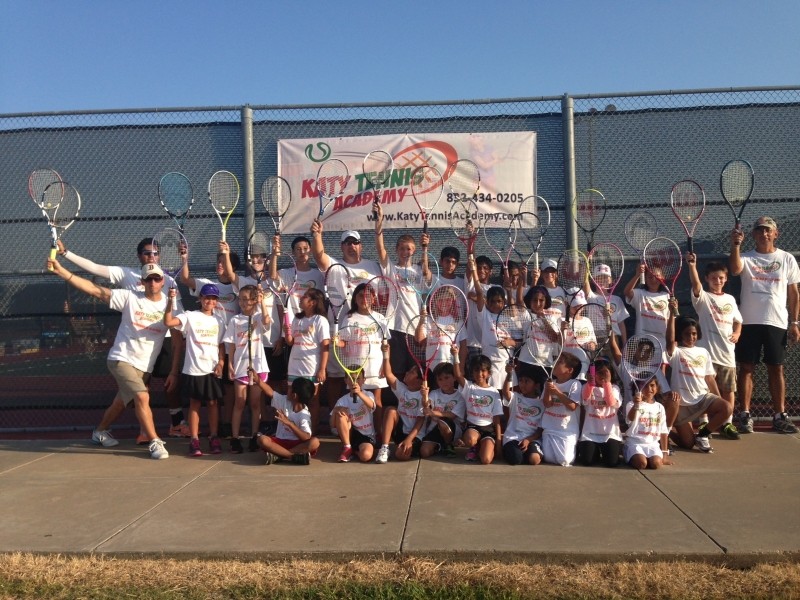
Katy Tennis Academy fosters that growth by emphasizing sportsmanship alongside technical training. Students shake hands, encourage partners, and respect opponents. Parents notice subtle changes — improved focus, stronger posture, and better emotional control. Tennis shapes character quietly, without grand announcements.
Consistency, Scheduling, and Long-Term Progress
Improvement requires repetition, and repetition requires commitment. Programs that operate from morning through evening provide flexibility for families balancing academics, extracurriculars, and work schedules. Structured practice blocks ensure that players receive consistent court time rather than sporadic exposure.
Regular participation in after-school tennis classes strengthens muscle memory and reaction time. Skills sharpen when practice becomes routine. Instead of wondering when the next session will happen, you step into a predictable rhythm. That rhythm builds resilience and discipline.
Conclusion: Turning Afternoons Into Opportunity
Afternoons present a powerful opportunity to transform idle hours into meaningful development. Structured training builds technical foundations, strengthens awareness, and fosters emotional growth. Dialogue-based coaching keeps learning interactive, while balanced discipline maintains focus without sacrificing enjoyment. Programs designed for multiple ages and skill levels ensure that every player progresses at a comfortable yet challenging pace.
Katy Tennis Academy brings these elements together by offering organized instruction from morning through evening, creating a consistent pathway for growth. When training feels engaging and purposeful, improvement follows naturally. The court becomes more than painted lines on concrete; it becomes a classroom, a proving ground, and occasionally a place where you laugh after an awkward swing. Skill sharpens, awareness deepens, and confidence grows with one rally at a time.
Frequently Asked Questions
Q. How do after-school tennis classes improve court awareness?
Players learn to anticipate shots, understand positioning, and react quickly during rallies. Coaches incorporate situational drills and guided feedback so students develop smart decision-making instead of relying only on power or speed.
Q. What makes a high-performance tennis academy different from regular training programs?
A high-performance tennis academy focuses on technical precision, physical conditioning, tactical awareness, and mental resilience. Training sessions follow a structured progression model that helps players prepare for competitive environments while maintaining consistent improvement.
Q. How many days per week should students attend after-school tennis classes?
Most young athletes benefit from two to four sessions per week. Regular attendance builds muscle memory, strengthens endurance, and reinforces fundamentals without overwhelming academic responsibilities.
Q. Can beginners join a high-performance tennis academy?
Yes, many programs within a high-performance tennis academy include foundational pathways for beginners. Coaches introduce proper grips, footwork, and swing mechanics early to build strong habits from the start.
Q. Do after-school tennis classes help improve confidence outside of sports?
Absolutely. Consistent practice, match simulations, and team interaction foster discipline and emotional control. Students often display stronger focus, improved communication, and greater self-confidence in academic and social settings.
Q. What skills are prioritized at a high-performance tennis academy?
Training typically emphasizes stroke development, footwork efficiency, strategic play, endurance, and mental toughness. Coaches integrate match-based drills to ensure players apply technical skills effectively during competitive situations.