
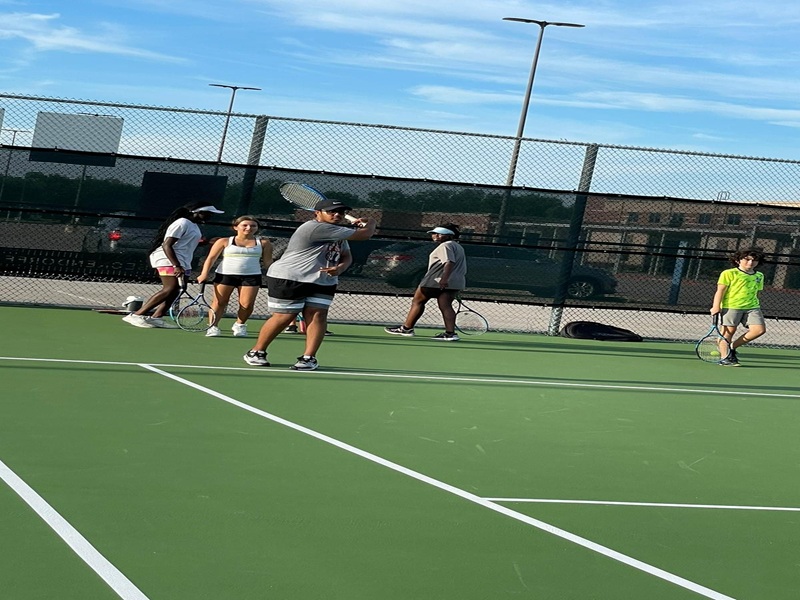

Why Consistent Tennis Training Matters Throughout the Year
Tennis development rarely happens through occasional practice sessions alone. Young players build stronger skills when they participate in structured training that continues throughout the year. After-school tennis programs create a reliable environment where children can improve technique, physical fitness, and match awareness while balancing school responsibilities.
Regular participation helps players develop confidence on the court and learn how to handle challenges during competitive situations. Families often explore different training opportunities, including tennis camps in Texas, because consistent exposure to coaching and match play contributes significantly to long-term athletic growth. A year-round approach allows players to progress steadily instead of restarting their development after long breaks.
Building Fundamental Skills Through Structured Programs
Every successful tennis player starts with strong fundamentals. Grip techniques, footwork patterns, proper swing mechanics, and court positioning form the foundation of long-term improvement. After-school programs provide repeated practice opportunities that reinforce these skills in a structured setting.
Young athletes benefit from drills designed to improve coordination, balance, and timing. Coaches often introduce activities that feel more like games than traditional exercises, helping children stay engaged while learning. Many parents compare local training opportunities with tennis camps in Texas to understand how different programs support player development. Consistent coaching creates a pathway for children to learn skills correctly from the beginning, reducing the need to correct habits later.
The Role of Fun in Long-Term Participation
Children learn more effectively when they enjoy the process. Tennis programs that combine skill-building exercises with engaging activities often see higher participation rates and stronger player commitment. A child who looks forward to practice is more likely to continue developing throughout the year.
Friendly competitions, team-based challenges, and creative drills add excitement to training sessions. Imagine trying to hit a target cone and celebrating as though it were a championship point. Small moments like these keep young players motivated. Parents researching the average cost of private tennis lessons often discover that group after-school programs provide a balance between instruction, social interaction, and affordability. The combination of learning and enjoyment helps maintain enthusiasm over the long term.
How After-School Programs Support Physical Development
Tennis requires a combination of speed, agility, coordination, endurance, and strength. Regular participation in after-school training contributes to overall physical fitness while helping children develop sport-specific abilities. Movement drills teach players how to change direction quickly and recover efficiently between shots. Reaction-based exercises improve hand-eye coordination and decision-making under pressure. Training schedules that run throughout the year provide repeated opportunities to strengthen these skills.
Some families supplement training by attending tennis camps in Texas during school breaks to increase court time and gain additional experience. Whether training weekly or participating in seasonal programs, consistent activity helps players build a strong athletic foundation.
Understanding Different Training Options for Young Players
Parents often wonder which type of instruction offers the greatest value for developing athletes. Group lessons, after-school programs, clinics, camps, and private instruction each serve different purposes depending on a player’s goals and experience level.
Private lessons provide individualized attention and customized feedback. Group environments encourage social interaction and expose players to match-play situations. When evaluating training choices, many families research the average cost of private tennis lessons to determine how private instruction fits into their budget. Understanding the strengths of each format helps parents create a balanced development plan that supports both skill growth and enjoyment.
Located in Katy, Katy Tennis Academy follows this balanced approach by combining technical instruction, enjoyable learning experiences, and age-appropriate development pathways for players of different skill levels.
Social and Mental Benefits Beyond the Court
Tennis development extends beyond forehands and backhands. After-school programs also help children build valuable life skills that carry into academics and everyday situations. Learning to stay focused during competition, communicate with peers, and handle setbacks constructively creates benefits far beyond sports participation.
Players regularly face challenges during practice and matches. Missing a shot, losing a point, or struggling with a new technique teaches patience and resilience. These experiences encourage growth and self-discipline. Families evaluating the average cost of private tennis lessons often focus on technical improvement, but the social and mental benefits gained through regular group participation can be equally meaningful. Tennis teaches lessons that remain useful long after a match ends.
Comparing Seasonal Camps and Year-Round Development
Many families ask a common question: Is it better to participate in seasonal camps or train continuously throughout the year? The answer depends on individual goals, but consistent development generally produces more sustainable progress. Seasonal programs offer concentrated training opportunities and can introduce players to new coaching perspectives. However, year-round instruction provides ongoing reinforcement of techniques and strategies.
This is one reason many players combine after-school participation with tennis camps in Texas during holidays and summer breaks. The combination allows athletes to maintain momentum while gaining additional competitive experience. Rather than choosing one approach exclusively, many successful players benefit from both.
Factors Parents Should Consider Before Enrolling
Selecting the right tennis program requires careful evaluation of several factors. Parents should consider coaching quality, class size, age-appropriate instruction, scheduling flexibility, and opportunities for skill progression. A program should support both beginners and advanced players while creating an environment where children feel encouraged to improve.
Budget considerations also play an important role. Comparing program fees with the average cost of private tennis lessons can help families determine which option aligns with their goals and financial expectations. Some players thrive in group settings, while others benefit from a combination of group training and occasional private instruction. Understanding individual learning styles helps ensure a positive experience.
Conclusion
A well-designed after-school tennis program provides far more than an opportunity to stay active after classes end. Consistent year-round training helps young players build technical skills, physical fitness, confidence, discipline, and social connections. Families often explore options such as tennis camps in Texas and compare the average cost of private tennis lessons while creating a development plan that matches their goals.
The most effective approach focuses on steady progress, enjoyable learning experiences, and opportunities for growth at every stage. Katy Tennis Academy supports this philosophy by helping players develop strong fundamentals while keeping the game engaging and rewarding throughout the year.
Common Questions And Answer About Tennis Camps in Texas
What is the average cost of private tennis lessons for junior players?
The average cost of private tennis lessons varies based on the coach's experience, location, and lesson duration. Many parents compare private coaching rates with group programs to determine which option offers the right balance of personalized instruction, affordability, and long-term player development.
Are tennis camps in Texas suitable for beginners?
Yes, many tennis camps in Texas welcome beginners and introduce essential skills such as grip, stroke mechanics, movement, and court awareness. Coaches typically organize players by age and ability level, ensuring that every participant receives instruction that matches their current stage of development.
Why do parents research the average cost of private tennis lessons before enrolling a child in training?
Parents often review the average cost of private tennis lessons to understand their available training options and budget requirements. Comparing private instruction with group classes helps families choose a program that supports skill development while fitting comfortably within their financial plans.
Can tennis camps in Texas support year-round player development?
Tennis camps in Texas can complement year-round training by providing additional court time during school breaks and holidays. Many young athletes use camps to reinforce skills learned during regular lessons, helping them maintain progress and stay engaged with the sport throughout the year.
How does the average cost of private tennis lessons compare to group training programs?
The average cost of private tennis lessons is generally higher than group sessions because players receive one-on-one attention from a coach. Group programs often offer a more economical option while still providing quality instruction, practice opportunities, and social interaction with other players.
Should players attend tennis camps in Texas in addition to regular after-school lessons?
Many coaches recommend combining regular lessons with tennis camps in Texas because each format offers unique benefits. After-school programs provide consistent development, while camps deliver intensive training experiences that can accelerate learning, improve match readiness, and expose players to different coaching styles.


